Which lasts longer: the head to head comparison
With both systems' longevity understood, a West Lafayette owner can weigh them directly, though the honest comparison is more nuanced than a simple winner. Several considerations shape which lasts longer in practice.
Overlapping lifespans
The first reality is that the systems' lifespans overlap, with both built up and quality single ply commonly serving around two decades or more, so neither universally outlasts the other by a wide margin. The ranges are comparable. For a roof, this means the choice between them is rarely decided by a large longevity gap, since both are capable of long, dependable service, and the difference in lifespan is often smaller than the differences in their other characteristics.
Redundancy versus engineered performance
The systems achieve their longevity differently, built up through multi layer redundancy that tolerates minor issues, single ply through engineered membranes suited to specific conditions. Neither approach is inherently longer lasting, they are different paths to durability. For a Tippecanoe County roof, which approach lasts longer depends on the building's conditions, redundancy may serve a high traffic roof well, while an engineered membrane may serve a chemically exposed roof better, so the longer lasting choice is the one matched to the conditions.
Installation and maintenance decide the outcome
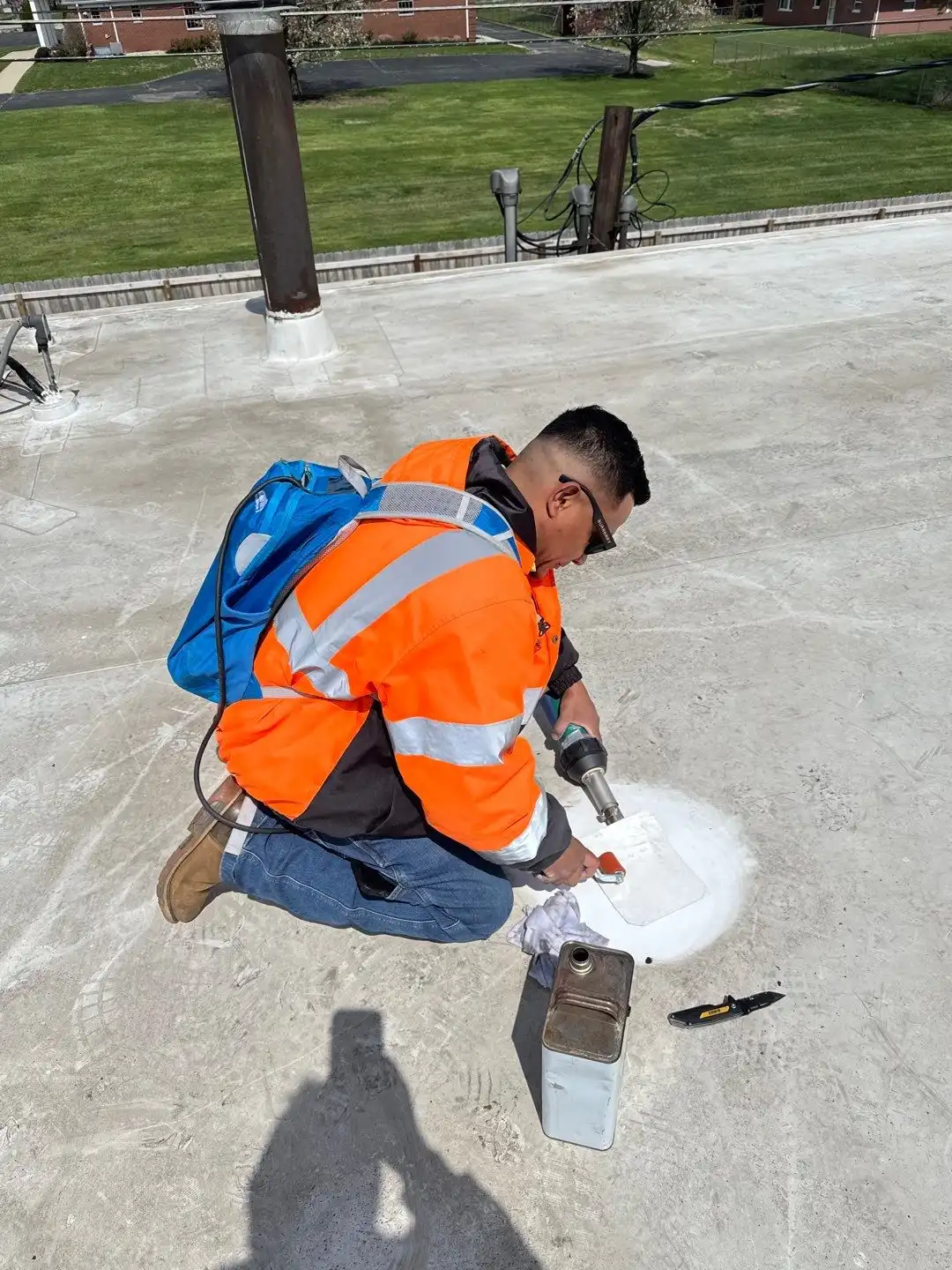
For both systems, the installation quality and maintenance heavily influence the actual lifespan, often more than the system choice itself. A well installed, maintained roof of either type outlasts a poorly installed or neglected roof of the other. For a West Lafayette roof, this means the contractor and the care matter as much as the system for longevity, so the system that lasts longer in practice is frequently the one that is better installed and maintained, regardless of which approach it uses.
Matching to conditions for maximum life
The system that lasts longest on a given building is the one best matched to that building's conditions, traffic, exposure, drainage, and use, since a well matched system reaches its full potential while a poorly matched one falls short. For a roof, this is the key insight: rather than asking which system lasts longer in the abstract, ask which lasts longer on your building given its conditions, which leads to the genuinely longer serving choice for your specific roof.
The nuanced answer
The honest answer to which lasts longer is that both systems are capable of comparable long service, with the actual longevity decided more by matching the system to the building, the installation quality, and the maintenance than by the system type itself. For a Tippecanoe County owner, this means the longer lasting choice is the well matched, well installed, well maintained system for their building, which is a more useful answer than a blanket declaration favoring one approach.
Find the longer serving system for your roof
The broader point about comparing single ply and built up roofing is that the question of which lasts longer has a more useful answer when framed around a specific building rather than in the abstract. A West Lafayette owner who asks which system will serve their roof longest, given its traffic, exposure, and structure, gets a real answer, while one who seeks a blanket winner gets a misleading one. Both systems can serve long, so the productive comparison is about fit, which is what leads to the genuinely longer serving choice for a particular roof.
Finally, both systems reward the same ongoing care, since maintenance and good drainage extend a roof of either type and neglect shortens both. A owner who maintains the roof, keeps the drainage clear, and addresses problems early gets the full longevity the chosen system can offer, whether single ply or built up. That consistent care, more than the initial system decision, is what determines whether a roof reaches or exceeds its expected life, which is the throughline across both approaches to a commercial flat roof.
It also helps to recognize that the installation often matters more than the system for longevity, because a well installed roof of either type outlasts a poorly installed one of the other. A Tippecanoe County owner who prioritizes a skilled, reputable contractor secures a roof that reaches its full life regardless of which approach it uses, while one who chooses purely on system type or price may be disappointed. The quality of the work is a larger lever on longevity than the single ply versus built up choice itself, which is worth keeping in view.
The broader point about comparing single ply and built up roofing is that the question of which lasts longer has a more useful answer when framed around a specific building rather than in the abstract. A West Lafayette owner who asks which system will serve their roof longest, given its traffic, exposure, and structure, gets a real answer, while one who seeks a blanket winner gets a misleading one. Both systems can serve long, so the productive comparison is about fit, which is what leads to the genuinely longer serving choice for a particular roof.
Finally, both systems reward the same ongoing care, since maintenance and good drainage extend a roof of either type and neglect shortens both. A owner who maintains the roof, keeps the drainage clear, and addresses problems early gets the full longevity the chosen system can offer, whether single ply or built up. That consistent care, more than the initial system decision, is what determines whether a roof reaches or exceeds its expected life, which is the throughline across both approaches to a commercial flat roof.
It also helps to recognize that the installation often matters more than the system for longevity, because a well installed roof of either type outlasts a poorly installed one of the other. A Tippecanoe County owner who prioritizes a skilled, reputable contractor secures a roof that reaches its full life regardless of which approach it uses, while one who chooses purely on system type or price may be disappointed. The quality of the work is a larger lever on longevity than the single ply versus built up choice itself, which is worth keeping in view.
The broader point about comparing single ply and built up roofing is that the question of which lasts longer has a more useful answer when framed around a specific building rather than in the abstract. A West Lafayette owner who asks which system will serve their roof longest, given its traffic, exposure, and structure, gets a real answer, while one who seeks a blanket winner gets a misleading one. Both systems can serve long, so the productive comparison is about fit, which is what leads to the genuinely longer serving choice for a particular roof.
Finally, both systems reward the same ongoing care, since maintenance and good drainage extend a roof of either type and neglect shortens both. A owner who maintains the roof, keeps the drainage clear, and addresses problems early gets the full longevity the chosen system can offer, whether single ply or built up. That consistent care, more than the initial system decision, is what determines whether a roof reaches or exceeds its expected life, which is the throughline across both approaches to a commercial flat roof.
West Lafayette Commercial Roofing assesses your West Lafayette building's conditions and recommends the system, single ply or built up, that will serve it longest, then installs it to last. Call (765) 676-3491 to find the longer serving roof for your building. Matching the system to the building is what separates a smart investment from an expensive guess.