The emergency storm damage response process
Understanding how an emergency storm damage response unfolds helps a West Lafayette facility owner know what to do and what to expect when a storm hits the roof. A clear process moves from the first call through stabilization to permanent repair.
Call for emergency response right away
The first step is calling for emergency response as soon as storm damage or a leak is noticed, so a professional crew can respond and stop the damage. Fast contact starts the response. For a facility, calling right away when the roof is compromised gets the emergency response moving, which matters because the damage grows with time. A roofer that provides emergency response can dispatch a crew to assess and stabilize the roof, so the sooner the call is made, the sooner the building is protected from further water intrusion.
Rapid assessment of the damage
When the crew arrives, they rapidly assess the damage, identifying where the roof is compromised and where water is entering, to determine the immediate protection needed. The assessment guides the emergency action. For a Tippecanoe County facility, the rapid assessment locates the storm damage and the source of any leaks, since stopping the water requires knowing where it is getting in. This quick but thorough evaluation lets the crew apply the right temporary protection to the right areas, addressing the active problem rather than guessing, which is the basis for effective emergency stabilization.
Immediate temporary protection
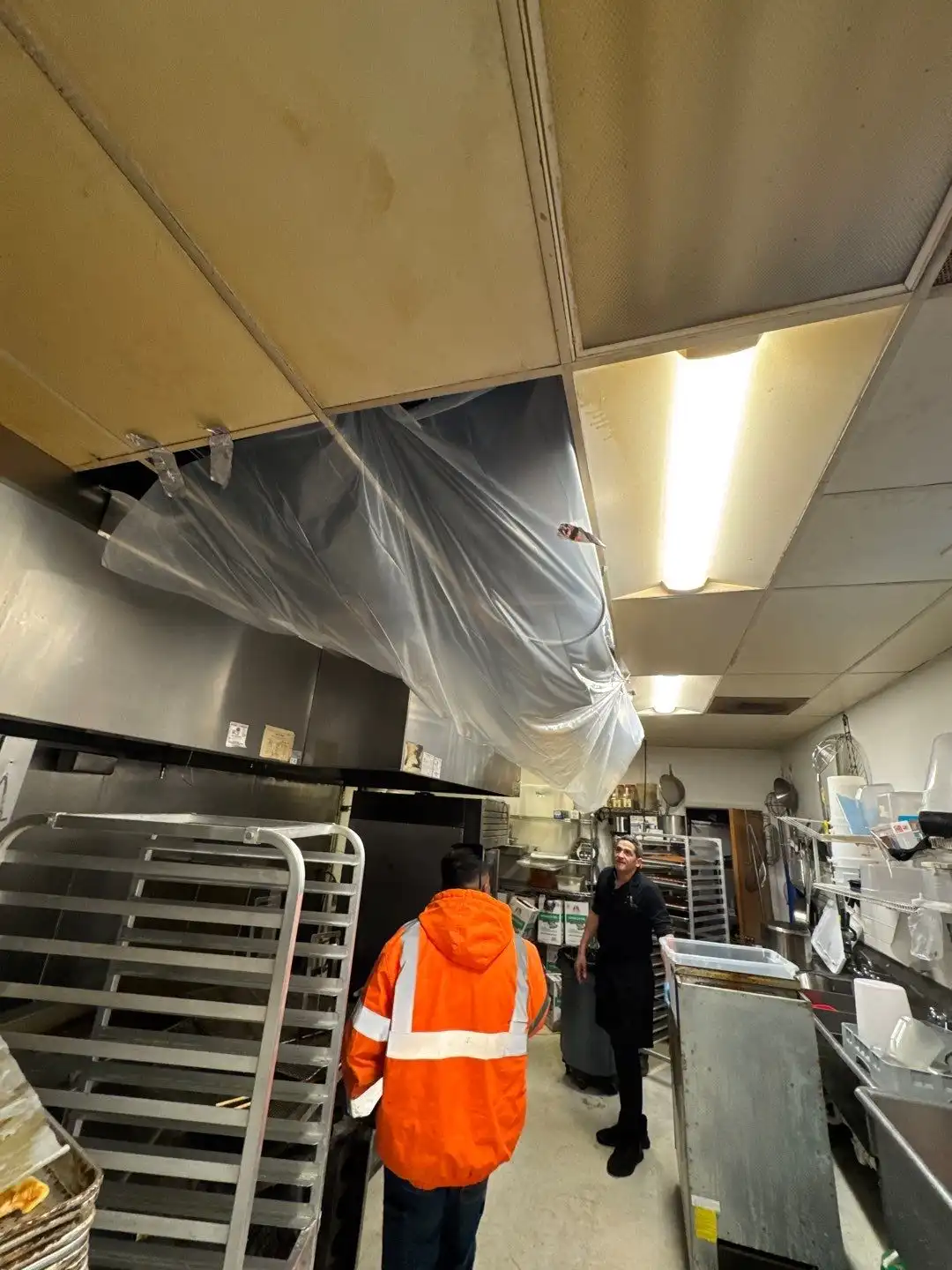
The crew applies immediate temporary protection, tarping, sealing, or dry in measures, to stop water from entering and stabilize the roof until permanent repair. This temporary protection is the heart of the emergency response. For a West Lafayette facility, temporary protection stops the active water intrusion fast, buying time to plan and perform the permanent repair without further damage accumulating. This stabilization is what contains the emergency, protecting the building and its contents in the immediate aftermath of the storm while the lasting repair is arranged.
Documentation of the damage
During the response, the crew documents the storm damage, with photos and a record of the damage and its connection to the storm, which supports an insurance claim and the permanent repair. Documentation is captured while the damage is fresh. For a facility, documenting the damage during the emergency response provides a record for insurance, which generally requires evidence tying the damage to the storm. Capturing this while responding, before temporary protection covers the damage, preserves the documentation a claim benefits from, though coverage depends on the policy and carrier.
Planning the permanent repair
With the roof stabilized, the crew assesses the full scope and plans the permanent repair, determining what is needed to restore the roof's integrity properly. The permanent repair follows the stabilization. For a Tippecanoe County facility, once the immediate threat is contained, planning the permanent repair addresses the storm damage thoroughly, restoring the roof rather than relying on the temporary protection long term. This planning, grounded in the full assessment of the damage, leads to the lasting repair that returns the roof to a sound condition after the emergency is stabilized.
Communication throughout
Throughout the response, clear communication keeps the facility informed of the damage, the protection applied, and the plan for permanent repair, so the owner knows what is happening. Communication keeps the owner in the loop. For a West Lafayette facility, a roofer that communicates clearly during a storm emergency, explaining the damage, the immediate actions, and the path to permanent repair, helps the owner understand and plan around the situation. This transparency during a stressful event is part of a well handled emergency response, keeping the facility informed from the first call through the completed repair.
From the first call to permanent repair
The emergency response process, calling right away, rapid assessment, immediate temporary protection, documentation, planning the permanent repair, and clear communication, moves from the storm to a stabilized and ultimately restored roof. For a facility owner, knowing this process means you know what to do when a storm hits, starting with that first call for a fast response.
It also helps to separate the two phases clearly, since stabilization and permanent repair serve different purposes and both are necessary. A Tippecanoe County facility that understands the temporary protection stops the bleeding while the permanent repair restores the roof will neither panic that the tarp is inadequate nor mistake it for the finished job. The emergency response buys time; the permanent repair uses that time to fix the roof properly. Keeping both phases in view leads to a storm damaged roof that is protected immediately and restored durably, which is the goal.
The larger point about storm damage is that the cost of waiting almost always exceeds the cost of responding, since an open roof keeps letting water in and the damage compounds by the hour. A West Lafayette facility that calls for emergency response immediately contains the problem at its initial extent, while one that delays watches a localized breach become widespread damage to the roof, the structure, and the contents below. The single most important factor in how a storm emergency turns out is how fast the response begins, which is why acting at once matters so much.
The larger point about storm damage is that the cost of waiting almost always exceeds the cost of responding, since an open roof keeps letting water in and the damage compounds by the hour. A West Lafayette facility that calls for emergency response immediately contains the problem at its initial extent, while one that delays watches a localized breach become widespread damage to the roof, the structure, and the contents below. The single most important factor in how a storm emergency turns out is how fast the response begins, which is why acting at once matters so much.
Finally, the facilities that handle storms best are the ones prepared before the storm arrives, with a sound, maintained roof and an emergency roofer already identified. A facility that keeps its roof in good condition and knows who to call faces less damage and a faster response than one scrambling after the fact. Storm readiness is built in calm weather through maintenance and relationships, so that when a storm hits, the roof resists better and the response begins immediately, limiting the loss to the building and the operations it shelters.
Start your emergency response now
West Lafayette Commercial Roofing provides emergency storm damage response for West Lafayette commercial roofs, from rapid assessment through stabilization and permanent repair. Call (765) 676-3491 now to start your emergency response. Acting fast is what protects your building when a storm has damaged the roof.